Skip to content

Table of Contents
Heel pain can change the way you move through your day. The first few steps out of bed may feel sharp, a walk across the parking lot may feel longer than usual, or standing at work may leave your heel aching by the afternoon.
At Integrity Foot and Ankle Associates, we often see heel pain among patients throughout Lorain, Elyria, and nearby communities. Some cases improve with rest and better support, while others need a podiatrist to find the cause and create the right heel pain treatment plan.
What Causes Heel Pain, And When Should You See A Podiatrist?
Heel pain may come from plantar fasciitis, heel spurs, Achilles tendon irritation, stress injuries, or foot structure issues. Mild pain may improve with rest, ice, stretching, and supportive shoes, but a podiatrist should evaluate ongoing, worsening, or injury-related heel pain.
What Causes Heel Pain?
Heel pain is not always caused by the same problem, which is why guessing can be frustrating. One of the most common heel pain causes is plantar fasciitis, an irritation of the thick band of tissue that supports the arch and connects to the heel bone. This often causes pain along the bottom of the heel, especially with the first steps in the morning or after sitting for a while.
Heel spurs can also be involved. A heel spur is a bony growth that can form near the heel bone, often in connection with long-term strain on the plantar fascia. Some people have heel spurs without pain, while others experience pain due to inflammation of the surrounding tissues and soft-tissue stress.
Pain at the back of the heel may be due to Achilles tendon irritation. This can happen when tight calf muscles, increased activity, inadequate shoe support, or repetitive stress strain the tendon. Bursitis, stress fractures, nerve irritation, arthritis, and changes in foot mechanics can also lead to heel discomfort.
Activity habits play a major role. A new walking routine, long shifts on hard floors, worn-out shoes, sudden weight changes, or flat feet and high arches can all place extra pressure on the heel. The right Heel Pain Treatment in Elyria and Lorain, OH starts with finding which of these factors is actually contributing to the pain.
What Can Heel Pain Feel Like?
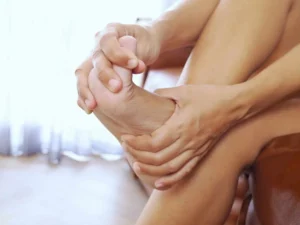
Heel pain can show up in several ways. For many people with plantar fasciitis heel pain, the pain feels sharp or stabbing under the heel when they first get out of bed. After moving around, it may loosen up, only to return later after standing, walking, or exercising.
Other patients describe a dull ache, burning sensation, tightness, or tenderness around the heel. Pain can be located under the heel, behind the heel, or along the side. Some people feel swelling or soreness when pressing on the area.
The timing of the pain is helpful. Pain that is worst in the morning may point toward plantar fascia irritation. Pain that worsens during activity may suggest tendon strain, stress injury, or inflammation. Pain after a fall, twist, or sudden increase in activity should be taken more seriously, especially if walking becomes difficult.
Home Relief For Mild Heel Pain
Mild heel pain that is not linked to an injury may respond to simple home care. Resting from the activity that triggered the pain is often a good first step. That does not always mean complete inactivity, but it does mean cutting back on long walks, running, jumping, or standing longer than needed while the heel calms down.
Ice may help reduce soreness. Applying ice for short periods can be useful after activity or at the end of the day. Gentle stretching of the calf and the bottom of the foot may also help reduce tension around the heel, especially when tight muscles are placing stress on the plantar fascia or Achilles tendon.
Support is important. Walking barefoot on hard floors can make heel pain worse. Supportive shoes, cushioned soles, and proper arch support can reduce strain with each step. Some patients may benefit from over-the-counter inserts, although persistent pain may require a more specific recommendation from a podiatrist.
Home care should feel steady and safe. If pain is sharp, increasing, or not improving, it is time to stop guessing and schedule an evaluation.
What Not To Do When Your Heel Hurts
It can be tempting to push through heel pain, especially when symptoms seem to fade after moving around. Unfortunately, this can worsen irritation. Continuing high-impact exercise or long walks while the heel is inflamed may prolong recovery.
Avoid walking barefoot on hard surfaces, especially first thing in the morning. The heel often needs support before it is asked to take on the full pressure of the day. Worn-out athletic shoes, thin flats, and unsupportive sandals can also put additional stress on the heel.
Stretching should be gentle. Aggressive stretching, especially when pain is sharp or sudden, may further irritate the area. It is also best not to assume heel pain will simply go away. Some cases do improve with home care, but pain that keeps returning usually has an underlying reason.
When To See A Podiatrist For Heel Pain
You should consider seeing a podiatrist for heel pain if symptoms persist for more than a few weeks, keep recurring, or interfere with walking, work, exercise, or daily routines. Pain that causes limping or makes you avoid putting weight on the heel deserves medical attention.
You should also schedule a visit sooner if heel pain appears after an injury, is accompanied by swelling or bruising, or is associated with numbness, burning, or tingling. These symptoms may point to something beyond routine soreness.
A podiatrist can help determine if the issue is plantar fasciitis, heel spurs, Achilles tendon irritation, a stress fracture, or another condition. That diagnosis is important because treatment for one cause may not be right for another.
Get Expert Diagnosis and Treatment for Heel Pain
Heel pain can be irritating at first, then slowly start changing how you stand, walk, work, and exercise. If home care has not helped or your pain keeps coming back, Integrity Foot and Ankle Associates offers Heel Pain Treatment in Elyria and Lorain, OH, for conditions such as plantar fasciitis, heel spurs, and other common causes of heel pain.
Schedule a consultation with our team for Get Expert Diagnosis and Treatment for Heel Pain and take the next step toward walking with more comfort.