Skip to content
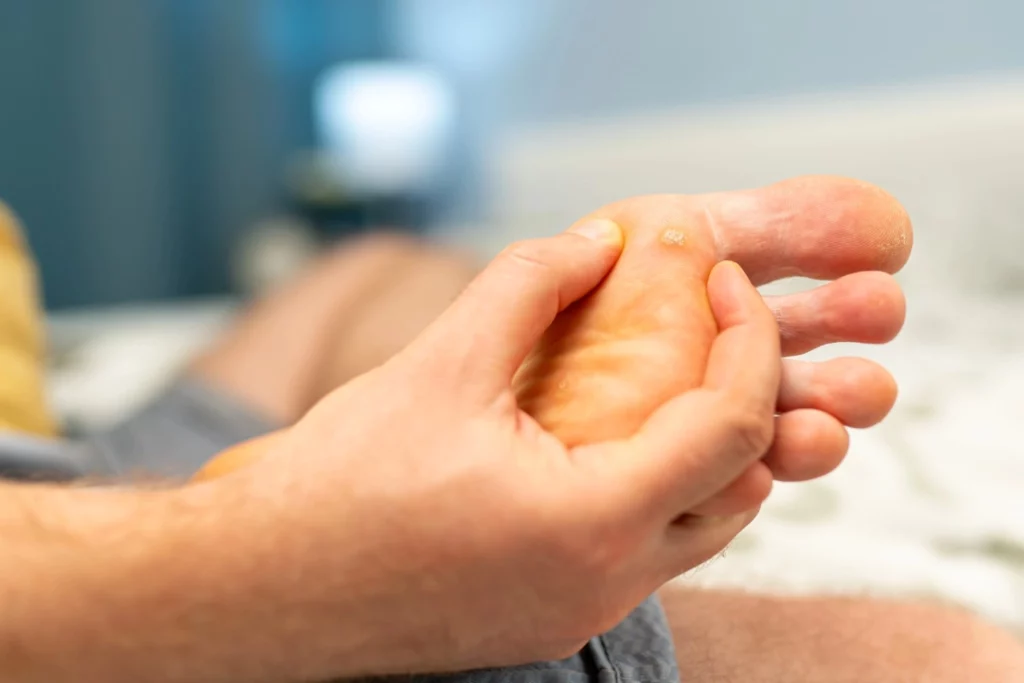
Table of Contents
Introduction
Warts are among the most common skin conditions treated in medical offices, yet they often cause confusion, frustration, and even pain for those dealing with them. If you or your child has a rough spot on the skin that won’t go away, hurts when walking, or keeps spreading, you’re not alone. Many patients in Lorain, OH, search for answers after home remedies and drugstore treatments fail to deliver lasting results.
At Integrity Foot & Ankle Associates, patients frequently come in with concerns about foot pain, stubborn lesions, and worries about contagion. Some are dealing with discomfort from plantar warts, while others are unsure what type of wart they have or whether it could become a bigger issue. This guide explains what warts are, what causes them, the different types, and when professional care is the safest option.
What are warts
Warts are small growths on the skin caused by certain strains of the human papillomavirus. The virus enters the body through tiny cuts, cracks, or breaks in the skin, triggering extra cell growth in the outer layer. That growth gives rise to the raised or rough texture most people associate with warts.
They can appear anywhere on the body, but the hands and feet are the most common locations. On the feet, pressure from standing or walking can push the wart inward, making it painful and harder to treat without medical care. While many warts are harmless, they can spread to other areas of the body or to other people through direct contact or shared surfaces.
Not all warts look the same, and they don’t all respond to the same treatments. That’s why a proper evaluation matters, especially when the wart causes pain or doesn’t improve over time.
Causes of Warts
Understanding the causes of warts can help explain why some people get them more easily than others. The virus thrives in warm, moist environments such as locker rooms, pools, and communal showers. Walking barefoot in these areas increases the risk of exposure.
Other factors that raise the chance of developing warts include weakened immune function, frequent skin injuries, and close contact with someone who already has a wart. Children and teenagers are especially prone because their immune systems are still learning how to fight off certain viruses.
Once the virus enters the skin, it may take weeks or even months for a wart to become visible. This delayed appearance often makes it hard to pinpoint when or where exposure happened.
Types of Warts and How They Differ
There are several types of warts, and each one has its own characteristics:
Common warts on hands
These usually appear as rough, raised bumps with a grainy surface. They’re often found on fingers, knuckles, or around the nails. While not typically painful, they can spread through skin-to-skin contact.
Plantar warts on the feet
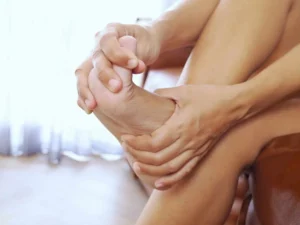
These develop on the soles of the feet, often in weight-bearing areas such as the heel or ball of the foot. Because pressure pushes them inward, they may feel as if they are stepping on a pebble. Many patients seek care because walking becomes uncomfortable.
Flat warts
Smaller and smoother than other types, flat warts tend to appear in clusters on the face, arms, or legs. They’re more common in children and teens.
Filiform warts
These grow outward in thin, finger-like projections, often around the mouth, eyes, or nose. Their location makes professional removal a safer choice.
Knowing which type you’re dealing with helps determine the most effective treatment plan and reduces the risk of recurrence.
Benefits of Treating Warts Medically
Some warts disappear on their own, but many do not. Medical treatment offers clear advantages, especially when warts are painful, spreading, or persistent.
Professional care can reduce discomfort, lower the risk of infection, and prevent the wart from spreading to other areas. It also helps avoid scarring that can occur when people try to cut, burn, or freeze warts at home.
For patients with foot warts, treatment can restore comfort while walking and standing, with a direct impact on daily life and mobility.
Warts for Specific Concerns
Different patients seek care for various reasons. Parents often worry that school-aged children may pass warts to classmates or siblings. Adults may be concerned about pain, appearance, or the possibility of the wart returning.
For those dealing with HPV warts, a medical evaluation helps rule out other skin conditions and confirms that the growth is truly viral. On the feet, plantar warts are sometimes mistaken for calluses or corns, which can delay proper care.
Patients who have tried over-the-counter solutions without success often benefit from medical-grade treatment options. These approaches focus on targeting the infected tissue while protecting the surrounding skin.
Warts Removal Options Explained
There are several wart removal options, and the right one depends on the wart’s type, size, location, and duration. In a medical setting, treatments may include topical therapies, controlled freezing, or other in-office procedures to remove the wart safely.
Professional treatment tends to be more precise than home remedies, reducing irritation and shortening recovery time. It also allows for follow-up care if the wart recurs, which can be challenging to manage on your own.
If you’re researching wart treatment, a consultation helps clarify what’s appropriate for your situation and what results you can realistically expect.
Why Warts Care Is in High Demand
More people are seeking medical care for warts because they want reliable results without unnecessary discomfort. Busy schedules, active lifestyles, and increased awareness about viral spread all play a role.
Patients today are also more cautious about do-it-yourself treatments after experiencing pain, skin damage, or repeated failure. Access to local providers makes it easier to get care early, rather than waiting until the problem worsens.
Where to Get Warts in Lorain, OH
Choosing the right provider matters, especially for foot-related warts that affect mobility. Treatment should be handled by a medical professional who understands foot anatomy and how pressure impacts healing.
For patients looking for warts in Lorain, OH, Integrity Foot & Ankle Associates offers evaluation and treatment focused on comfort, safety, and long-term results. A local provider also means more effortless follow-ups and ongoing care if needed.
If you’re also dealing with foot discomfort or skin changes, you may find it helpful to explore related services such as foot pain evaluations or preventive foot care offered at the exact location.
Ready to Take the Next Step Toward Relief?
Warts may seem minor at first, but they can become painful, persistent, and frustrating without proper care. Understanding what causes them, recognizing the different types, and knowing when to seek treatment can save time and discomfort.
If you’re dealing with a wart that won’t go away or is interfering with daily activities, professional care provides a clear next step. To learn more about treatment options and get personalized guidance, Book a dermatologist consultation today or contact us to schedule an appointment. Early care can make all the difference in comfort and recovery.